
Showing the single result
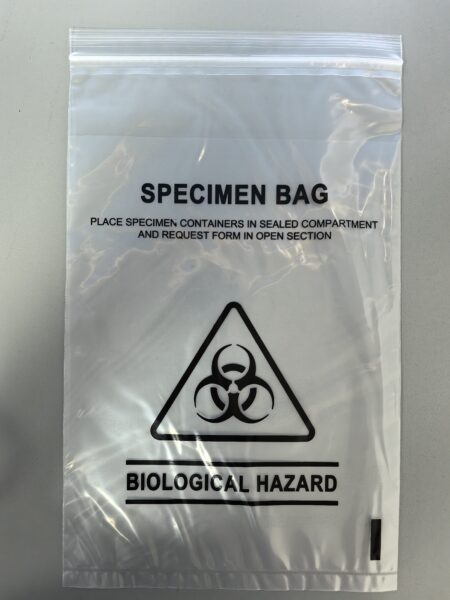
Specimen collection is a critical step in any diagnostic, pathology, or research workflow. The quality and integrity of a specimen from the point of collection through to analysis directly impacts the reliability of results. Using the right collection products and following correct procedures ensures samples arrive in the laboratory in the best possible condition.
At Hurst Scientific, we supply a range of specimen collection products to laboratories, hospitals, clinics, and research facilities across Australia.
Specimen Collection Products We Supply
Key Considerations for Specimen Collection
Fixation For histology and pathology specimens, prompt fixation is essential to preserve tissue morphology. Neutral buffered formalin (10%) is the most widely used fixative in routine pathology. Specimens should be placed into an adequate volume of fixative as soon as possible after collection.
Labelling All specimen containers should be clearly labelled at the point of collection with patient or sample identification, date, and collection details. Frosted or writable container surfaces assist with direct labelling where pre-printed labels are not available.
Transport Specimens in liquid fixative should be transported in leak-resistant containers with secure lids. Secondary containment is recommended for transport of potentially infectious material in line with Australian biosafety requirements.
Frequently Asked Questions
What fixative should I use for routine histology specimens? Neutral buffered formalin (10%) is the standard fixative for routine histology and surgical pathology. Hurst Scientific supplies both ready-to-use 10% neutral buffered formalin and concentrated formalin (5x and 8x concentrate) for laboratories that prepare their own working solutions.
How quickly should a specimen be fixed after collection? Tissue should be placed into fixative as soon as practicable after excision. Delayed fixation can result in autolysis and compromise the quality of subsequent staining and diagnosis.
What is the correct fixative to tissue ratio? A 10:1 ratio of fixative to tissue volume is the standard recommendation to ensure complete and uniform fixation.
Order Specimen Collection Supplies Online
Hurst Scientific delivers specimen collection products to Sydney, Melbourne, Brisbane, Perth, Adelaide and across Australia. Browse our range below or contact our team for advice on the right products for your collection workflow.

2 Transit Place
Forrestdale WA 6112
Western Australia
1300 778 068
Contact Us
Copyright 2025 © Hurst Scientific | Website by Net Search

